Subscribe to our free weekly newsletter
Send news

News tags

mental health  physical activity  earthquake  vacancies  families  public health  children  funding  poverty  health determinants  social  Community development  planning  employment  healthy cities  volunteers  newsletter  youth  volunteering  nutrition  employment opportunity  housing  alcohol and drugs  maori  community engagement  rebuilding  wellbeing  disabilities  Lectures  counselling  Training  earthquake recovery  sustainability  event  community gardens  Community  seminar  Awards  stress  Community Groups  mens health  research  arts  smokefree  culture  men  exercise  migrants  community event  education  environment  resilience  human rights  health  medical  business  sport  conferences  survey  mental wellbeing  Courses  obesity  elderly  support group  environmental health  healthy food  health promotion  violence  pacific health  resources  rebuild  women  race relations  meeting  gardens  workshop  services  leadership  forum  water  disabled  repair  transport  prevention  pacific  dance  fundraising  asian health  sexual health  inequality  cancer  support  disasters  development  mindfulness  dementia  presentation  collaboration  health in all policies  data analysis  recovery  smoking  law  drugs and alcohol  technology  safety  cycling  Sleep  policy  parenting  media  hearing  walking  land  neighbours  social justice  qualification  resilient cities  information  community connection  consultation  oral health  bullying  depression  youth empowerment  young people  activities  non-profit  charity  harm  NURSES  addiction  disease  Communication  alcohol  symposium  submission  anxiety  accessibility  Relationships  eating  economics  Advocacy  eLearning  falls  parking  energy  efficiency  heating  insulation  advice  Eating Disorders  abuse  waste  Matariki  webinar  diabetes  workplace  Film  Climate Change  solutions  urban  management  economy  plan  restoration  Report  Vulnerability  welfare  parks  learning  awareness  emergencies  legislation  injury prevention  reading  Meeting Room  conservation  language  refugees  recreation  built environment  data  venue  urban design  Food  older people  finances  suicide  heritage  gender  recycling  breastfeeding  public  identity  Nursing  submissions  Rainbow  biodiversity  campaign  promotion  Gut Health  diversity  therapy  older adults  sexuality  computing  pollution  School Holidays  Arts Therapy  providers  gambling  Maori health  Cervical cancer  screening  trauma  autism  Governance  treaty of waitangi  care  mentoring  pets  relaxation  Professional Development  pornography  exhibition  history  discrimination  vaping  equity  lockdown  grief  rural  hygiene  participation  tourism  summer  intervention  warning  podcast  science  petition  swimming  roadworks  traffic  wildlife  beaches  pools  immunisation  vaccination  brain  preparation  open day  market  evaluation  noise  music  property  testing  crafts  CALD  cultural diversity  camping  creativity  child health  tamariki  climate action  Pasifika  refugee  migrant  community events  road safety  cyclists  library  Hornby  skills  placemaking  regenerative communities  journey  reflection  regional council  councillors  water management  emergency management  retirement  stress management  Christmas  family  festival  alcohol harm  waterways  planting  health protection  legionnaire's disease  hepatitis  heatwaves  river beds  nesting birds  water safety  natural resources  community organisations  fishing  gardening  workshops  stormwater  biosecurity  volunteer  plant and animal pest management  politics  faith  crime  drugs  pregnancy  native birds  Waimakariri  water quality  schools  early childhood  health professionals  heart disease  kura  school  ethical issues  rangatahi  Linwood  running  donations  whanau  financial pressures  film festival  online  health professional  flooding  conflict  peace  winter  agriculture  stroke  plastic  representation  autumn  memorial 

Report rook sightings in North Canterbury

Wednesday, September 23, 2026   Posted in: Signatory Notice Board By: Administrator With tags: wildlife, management

Environment Canterbury media release; 22nd September 2026

Just when we thought rooks had flown the coop in Waitaha Canterbury, a recent sighting in North Canterbury has biosecurity staff asking the public to keep their eyes and ears open.

A possible rook was reported near Hawarden earlier this month, prompting Canterbury Regional Council (Environment Canterbury) biosecurity officers and contractors to visit the area and investigate.

While it's not yet clear whether the bird was simply passing through or has decided to stick around, one thing is certain: early reports give us the best chance of responding quickly.

Why this sighting matters

Environment Canterbury Biosecurity Officer Rob Kent says community reports are critical to helping locate any remaining birds.

"Rooks are highly intelligent and extremely wary, which means they can be difficult to find and control," says Rob.

"The public plays a vital role in helping us track down any remaining rooks. If you spot a bird that looks or sounds like a rook, report it as soon as possible. The sooner we know about it, the better our chances of locating it and responding effectively."

Rooks are a declared pest in our region. They can cause significant damage to newly sown crops by pulling up seeds and young plants while feeding and can also damage pasture by tearing up the ground in search of insects and grubs.  

For decades, Environment Canterbury has worked to completely eradicate rooks from the region. Once numbering in the thousands across parts of Canterbury, these birds are now rarely seen thanks to sustained control efforts and support from local communities. However, ongoing vigilance is needed to stop rooks from re-establishing and undoing years of progress.

What does a rook look like?
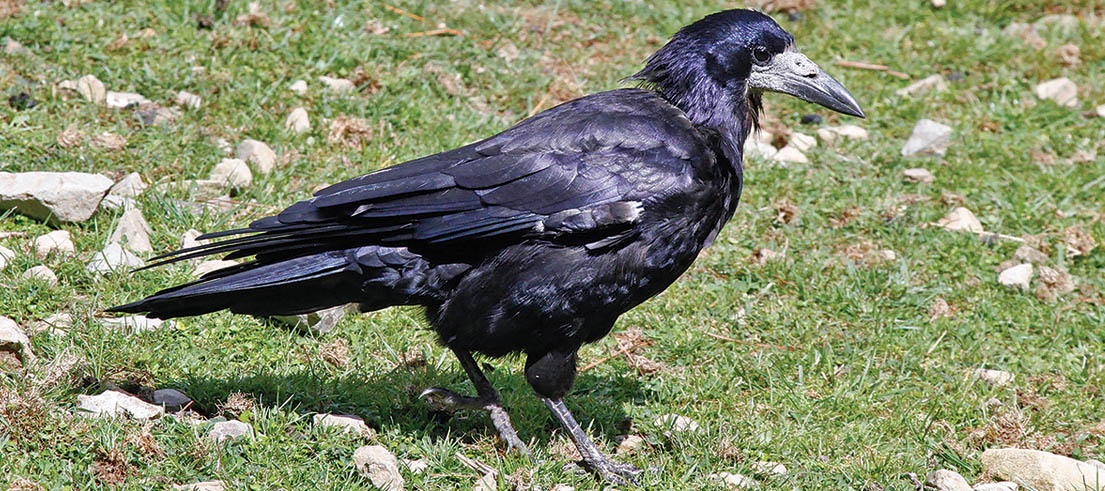
Rook. Photo credit: Duncan Watson.Rooks are members of the crow family and can be identified by:

  • Glossy black feathers with a purple-blue sheen.
  • A pale grey, featherless patch around the base of the beak.
  • A distinctive "kaah" call.
  • Fluffy feathers on their legs make it look like they are wearing trousers.
  • Larger size than a magpie.

Seen one? Let us know immediately.

If you think you've spotted a rook:

  • Take a photo if you can do so safely.
  • Note the location.
  • Call Environment Canterbury on 0800 324 636.

Please don't approach or attempt to shoot the bird. Rooks are highly mobile and can quickly move on if disturbed, making them much harder to locate and control effectively.

Your reports could help us respond quickly and support Canterbury's ongoing rook eradication efforts.